The Future of Mobile Fluidity: iQOO Neo12 Tipped to Debut Industry-First 185Hz 2K Display
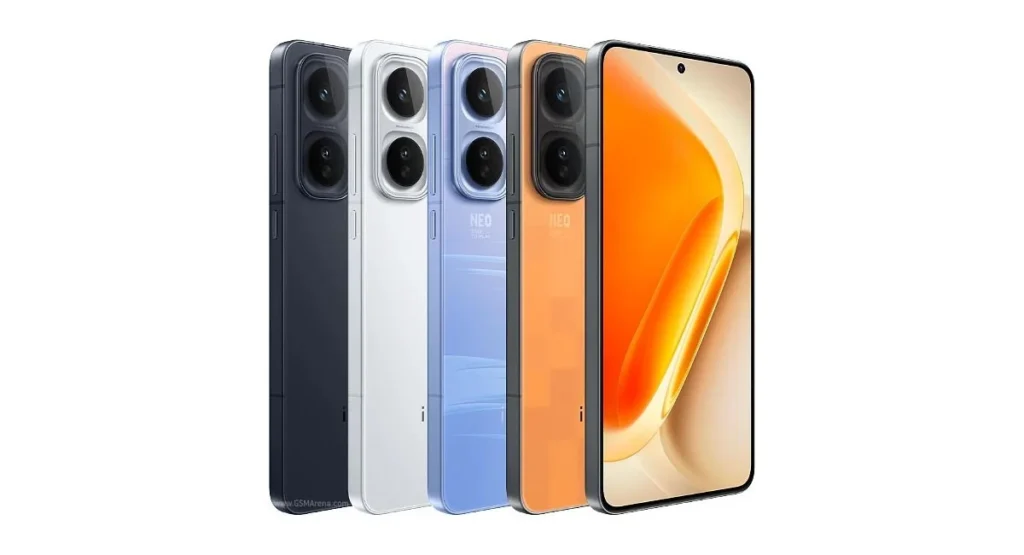
The smartphone industry stands on the precipice of a new display revolution. As the competitive landscape for flagship-tier performance devices intensifies, iQOO—the performance-centric sub-brand of vivo—is reportedly preparing to redefine visual standards. Following the successful launch of the iQOO Neo11 in October, industry chatter has pivoted toward its successor, the iQOO Neo12. According to the latest intelligence from the prominent Chinese leaker Digital Chat Station (DCS), the upcoming handset is poised to feature a world-first display technology that bridges the gap between high-resolution clarity and extreme refresh-rate fluidity.
Main Facts: A Convergence of Pixels and Speed
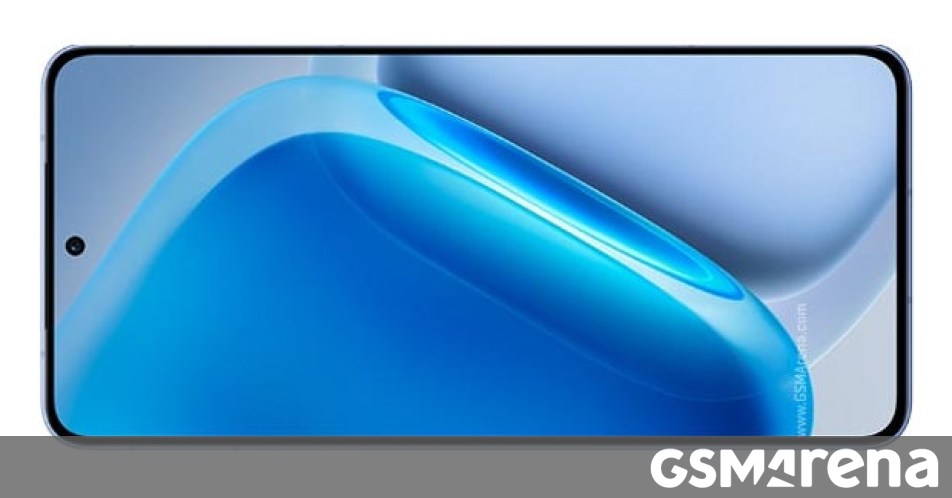
The most striking revelation regarding the iQOO Neo12 centers on its display panel. If the reports hold true, iQOO is partnering with Chinese display manufacturer Visionox to implement a breakthrough OLED panel. This screen is expected to deliver a "2K" resolution—typically associated with static, ultra-high-definition viewing—paired with a staggering 185Hz refresh rate.
Historically, the smartphone market has forced consumers to choose between two paths: the visual fidelity of 2K resolution or the buttery-smooth motion of high-refresh-rate panels. Pushing a 2K resolution at 185Hz is a monumental engineering feat, as it requires significant power efficiency and data throughput capabilities. Alongside the refresh rate, the panel will utilize a proprietary, next-generation luminescent material. Sources indicate that this material offers substantial improvements in peak brightness, longevity, and color accuracy, ensuring that the Neo12 does not sacrifice picture quality for its raw speed.
Furthermore, the Neo12 is rumored to be the launch vehicle for the highly anticipated Snapdragon 8 Elite Gen 5 chipset. By pairing Qualcomm’s most potent silicon with an industry-leading display, iQOO is signaling its intent to dominate the gaming-smartphone segment, moving beyond mere "mid-range" performance into the realm of enthusiast-grade hardware.
Chronology: The Path to the Neo12
To understand the trajectory of the Neo12, one must look at the recent evolution of the Neo series. The iQOO Neo11, launched in October, established a baseline for high-performance mobile computing at an accessible price point. Its success created a high bar for the engineering team, which now seems focused on vertical integration of display and cooling technologies.
- October 2024: The iQOO Neo11 is released to critical acclaim for its performance-to-price ratio.
- Early 2025: Initial rumors regarding the Neo12 begin to surface, suggesting a design overhaul and an internal focus on heat dissipation.
- Mid-2025 (Current Period): Digital Chat Station reports that Visionox has successfully mass-produced the 185Hz 2K OLED panel.
- Late 2025 (Projected): The official launch of the iQOO Neo12 is expected to take place before the end of the current month.
The speed at which the Neo series has evolved—from the Neo11 to the upcoming Neo12—reflects a market strategy that prioritizes rapid iteration. By constantly pushing the boundaries of what is possible within a "Neo" (or performance-focused) device, iQOO is effectively challenging its parent company, vivo, and competitors like Xiaomi’s Redmi and OnePlus.
Supporting Data: The Technical Challenge of 185Hz
The leap to 185Hz is not merely a marketing gimmick; it presents profound technical challenges. To understand why this is a "world-first," we must look at the data surrounding frame rates and pixel response times.
1. Throughput Requirements
A 2K resolution (typically 3200 x 1440 pixels) contains approximately 4.6 million pixels. Updating every single pixel 185 times per second requires a massive amount of bandwidth. The display driver integrated circuit (DDIC) must be capable of processing this data without overheating or causing visual artifacts.
2. Thermal Management
The report from DCS mentions that iQOO has been actively evaluating the inclusion of an active cooling fan. High-refresh-rate displays are notoriously power-hungry. When combined with a chipset as powerful as the Snapdragon 8 Elite, the heat generated could cause thermal throttling within minutes. An active cooling solution—essentially a miniature fan integrated into the chassis—would allow the device to maintain 185Hz across prolonged gaming sessions without dropping frame rates.
3. Luminescent Material Longevity
New OLED materials, specifically those from Visionox, are designed to solve the "burn-in" issue that often plagues high-brightness displays. By improving the chemical composition of the organic layers, the panel can sustain higher nits of brightness while maintaining a longer lifespan, even under the stress of a high-frequency refresh rate.
Official Responses and Strategic Silence
As is typical with the mobile industry in China, iQOO has maintained a veil of strategic silence regarding these leaks. While official social media channels for iQOO have begun to tease "the next era of performance," they have not explicitly confirmed the 185Hz display specifications.
However, the silence is telling. In the past, when rumors regarding display technology from Visionox or BOE gain traction via reliable leakers like Digital Chat Station, they are rarely far from the truth. The lack of a flat denial suggests that the supply chain is indeed ready for mass production. Industry analysts note that iQOO’s strategy relies on "leaked" information to generate organic hype, ensuring that by the time the launch event arrives, the technical superiority of the device is already a foregone conclusion in the minds of potential buyers.
Implications: What This Means for the Smartphone Market
The arrival of the iQOO Neo12 with a 185Hz 2K display carries several implications for the broader smartphone ecosystem.
1. The Death of the "Standard" Display
If iQOO can successfully implement a 185Hz 2K display, it will put immense pressure on companies like Samsung, Apple, and Google. Historically, flagship manufacturers have been conservative, often opting for 120Hz panels to preserve battery life. If a performance-focused brand proves that 185Hz is viable, consumers will inevitably begin demanding higher refresh rates across all price segments.
2. The Gaming Smartphone Renaissance
For years, the "gaming phone" niche (devices with physical triggers, fans, and aggressive designs) has struggled to differentiate itself from high-end standard phones. The Neo12 represents a hybrid approach: the aesthetic of a premium flagship with the specialized cooling and display hardware of a dedicated gaming rig. This may lead to a consolidation of the market where standard phones become more "gamified" in their specs.
3. Supply Chain Dominance for Visionox
Should the panel prove successful, Visionox will solidify its position as a primary challenger to Samsung Display. The ability to mass-produce such high-spec panels at the scale required for an iQOO device signals that Chinese domestic display production has reached maturity, potentially lowering costs for the entire industry in the long term.
4. Software Optimization Challenges
The final hurdle remains software. Most Android applications and games are currently locked to 60fps, 90fps, or 120fps. Implementing a 185Hz display is only half the battle; the OS must be able to interpolate frames or incentivize developers to optimize their content for such high refresh rates. Users can expect to see updates to the iQOO OriginOS (or Funtouch OS for global markets) that specifically target frame-pacing and synchronization for this new display hardware.
Conclusion
The iQOO Neo12 is shaping up to be one of the most significant hardware releases of the year. By refusing to compromise between resolution and fluidity, iQOO is daring to push the limits of mobile display technology. While the inclusion of an active cooling fan remains the final piece of the puzzle, the potential for a 185Hz 2K experience is enough to pique the interest of mobile gamers and tech enthusiasts alike.
As we approach the end of the month, all eyes will be on the official announcement. Whether the Neo12 can deliver on the promise of its display, or whether it will succumb to the thermal and battery constraints that have held back such high specs in the past, remains the most compelling question in the current mobile landscape. One thing is certain: the bar for "flagship performance" has just been raised significantly.