The LinkedIn Content Funnel: A Strategic Blueprint for Turning Connections into Revenue
In the modern digital landscape, LinkedIn has evolved from a simple resume repository into a high-octane engine for business growth. Yet, for many entrepreneurs and professionals, the platform remains a source of frustration. They post into the void, unsure if their efforts are reaching their target audience or merely inflating their own ego.
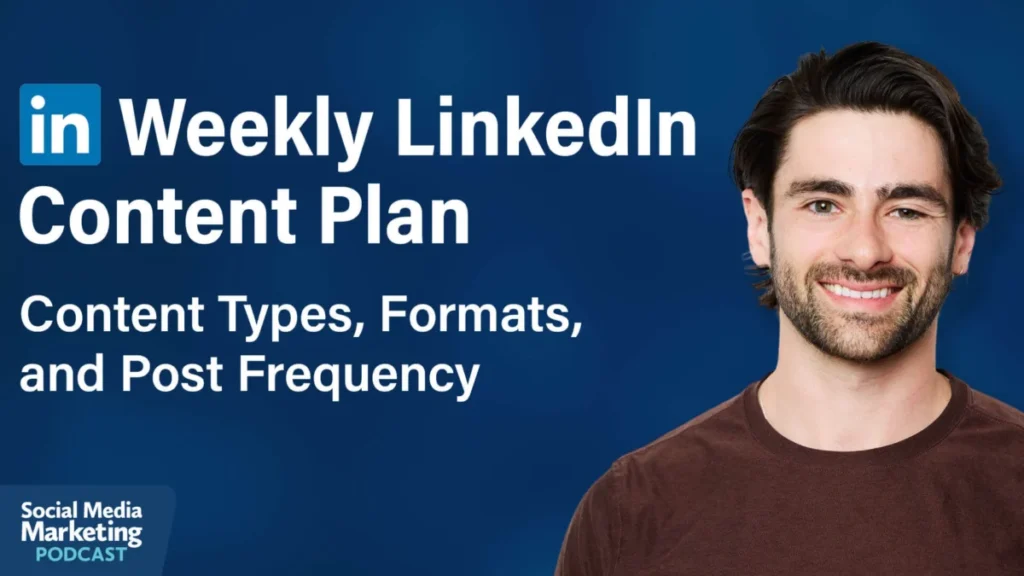
According to LinkedIn strategist Will McTighe, the secret to mastering the platform isn’t a viral secret—it’s a structured, funnel-based content strategy. By treating LinkedIn as a core business function rather than a social hobby, professionals can transform their profiles into automated lead-generation machines. McTighe, who has seen his own ventures scale to over $2 million in annual revenue, argues that consistency, when paired with the right framework, is the ultimate differentiator.
The Strategic Framework: The 4-2-1 Content Ratio
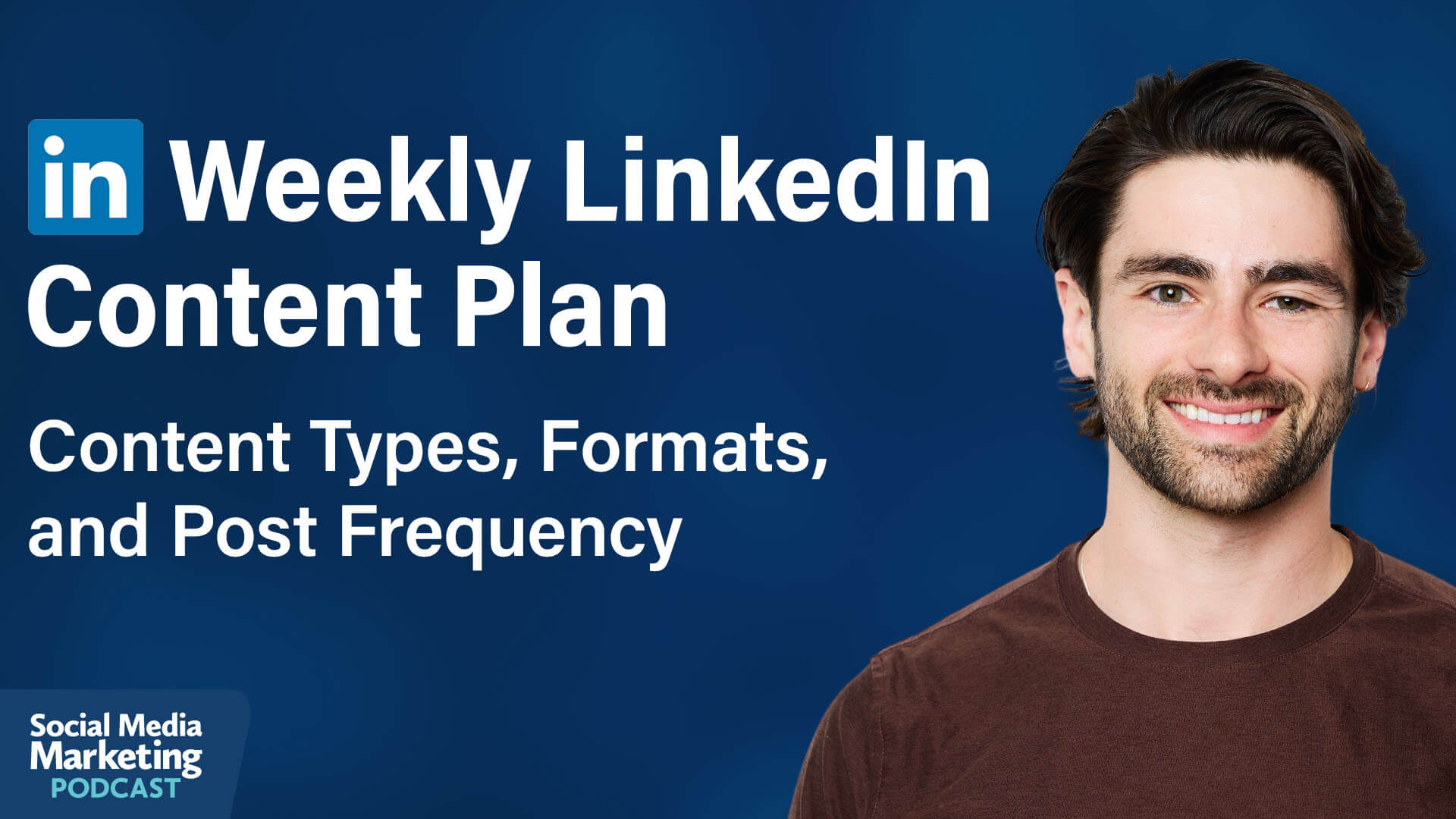
The most common mistake on LinkedIn is a lack of focus. Users often oscillate between overly personal "confessional" posts and cold, sales-heavy pitches. McTighe proposes a disciplined "4-2-1" weekly posting ratio designed to guide a stranger through the buyer’s journey:
- 4 Posts (Awareness): Designed to expand your reach and attract your ideal follower.
- 2 Posts (Trust): Designed to deepen the relationship and establish authority.
- 1 Post (Lead Generation): Designed to convert engaged followers into qualified prospects.
This cadence ensures that you are constantly replenishing the top of your funnel while simultaneously nurturing your existing audience.
Stage 1: Awareness—Broadening Your Reach
The primary goal of the awareness stage is simple: get your content in front of people who don’t know you yet. However, reach is meaningless if it isn’t relevant.
Educational vs. Relatable Content
McTighe distinguishes between two types of awareness content. Educational content—such as reacting to industry news with a unique, actionable perspective—is the "gold standard" for follower conversion. When a reader learns something tangible, they are naturally incentivized to follow you for more.

Conversely, broadly relatable content (e.g., general posts about burnout) may generate high vanity metrics like likes and impressions, but it often fails to convert followers. The key, McTighe notes, is "niche-specific relatability." Instead of posting about general stress, post about the specific, agonizing pressures faced by your target persona—such as the unique burnout experienced by a Chief Information Security Officer.
Tactical Best Practices
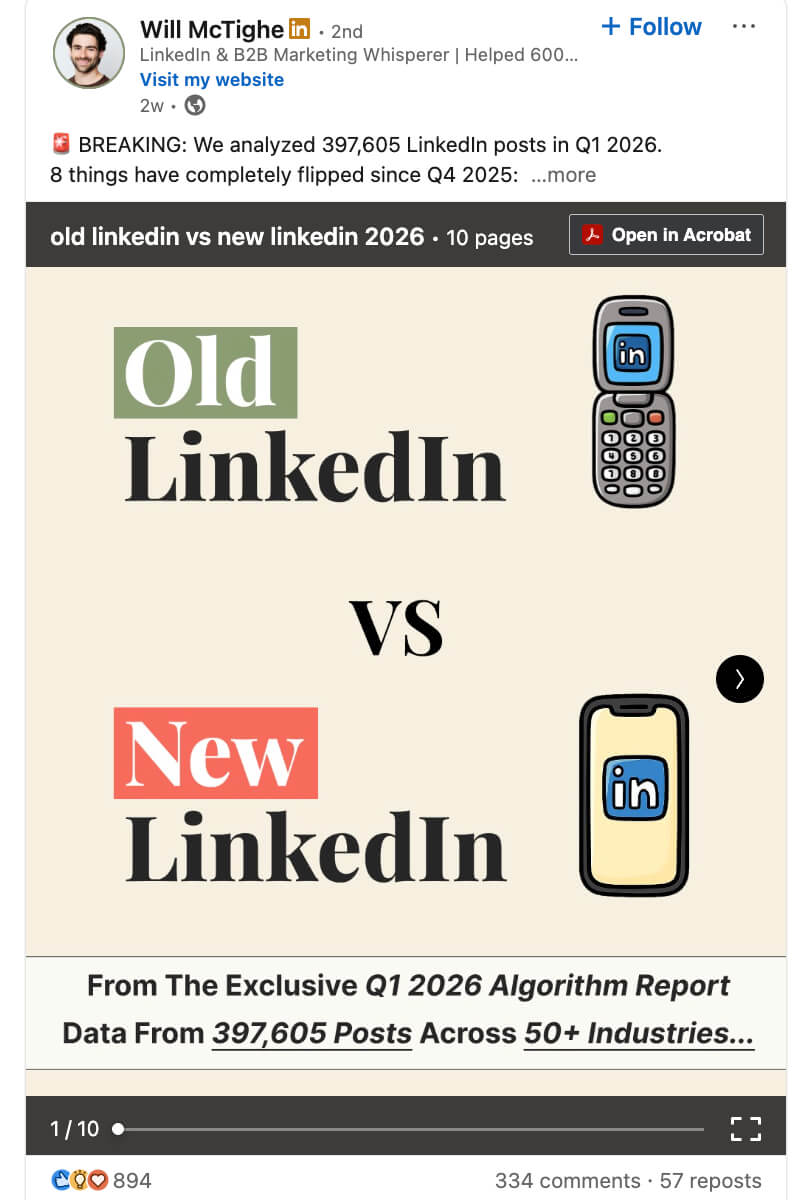
- Visuals are Mandatory: Data suggests that infographics and carousels are currently the top-performing formats on LinkedIn. If you must use text, adding a single, relevant image can double your engagement.
- The "Hook-Image" Synergy: The image must reflect the first two lines of your post. If the image doesn’t align with the hook, the reader experiences cognitive dissonance and continues scrolling.
- Monitor and Replicate: Keep a spreadsheet of high-performing posts in your industry. When a post outperforms, analyze the underlying theme and determine how it can be adapted to your unique niche.
Stage 2: Trust—Converting Followers into Fans
Once someone follows you, the "awareness" phase is over. Now, you must answer the million-dollar question: Why should they buy from you?
The Art of the Story-Driven Lesson
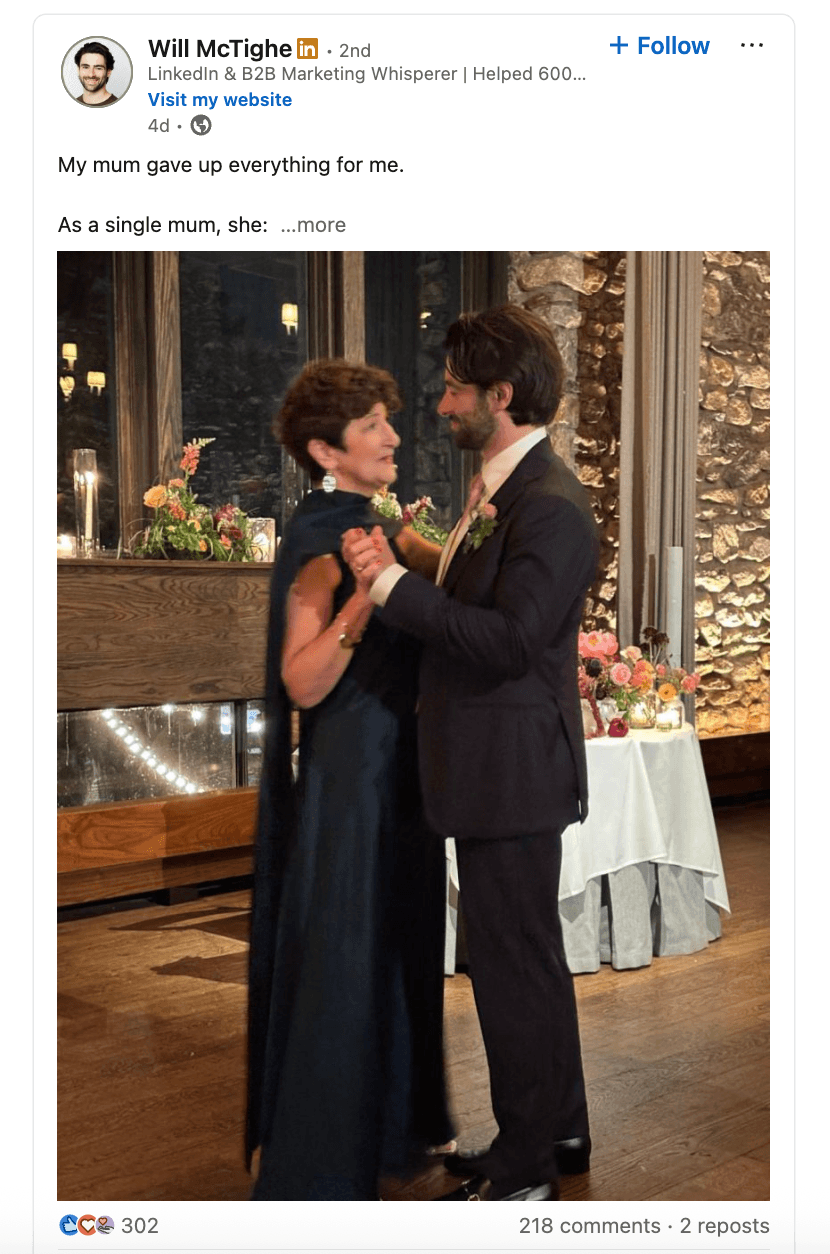
Trust is built through stories, but not just any story. A common error is the "confessional" post—sharing a painful event without providing a takeaway. To build trust, a story must function as a vehicle for a lesson. The structure should be: Adversity → Turning Point → Actionable Lesson.
McTighe highlights two effective hooks for this stage:
- The Authoritative Hook: Lead with credentials. For example, "20 years of experience in 60 seconds" tells the reader that their time investment will yield high-value insights.
- The Emotive/Personal Hook: Share a personal narrative that highlights your values, which in turn signals to the reader that you are a person they would want to do business with.
Leveraging Video and Credibility
While text-and-image posts often generate more raw reach, video is superior for building deep, long-term trust. Even if video posts underperform in terms of total views, they create a sense of familiarity that static images cannot. When a prospect eventually gets on a sales call, they feel as though they already know you. Furthermore, using "authority visuals"—such as photos of you speaking on stage—reinforces your professional standing without needing to explicitly state your accolades.
Stage 3: Lead Generation—De-risking the Purchase
The final stage of the funnel is lead generation. By this point, your audience knows who you are and trusts your expertise. The only remaining barrier is the perceived risk of the transaction.
The Transformation Case Study
Generic testimonials like "Great service!" are ineffective. To drive leads, you must provide proof that you have solved the exact problem your prospect is currently facing.
The "Transformation Case Study" format is highly effective here:
- The Hook: Start with a quantifiable result (e.g., "How we grew X to Y in Z days").
- The Relatable Pain: Detail the client’s initial struggle so the reader can say, "That’s me."
- The Hero’s Journey: Frame the client as the hero who did the hard work. Your role is merely the guide who provided the tools.
- The Call to Action: Use genuine, time-bound urgency to encourage the next step.
The Role of Links and Raw Proof
Interestingly, McTighe’s research indicates that posts with links—often penalized by algorithms—can actually perform better if the linked content is of high value. High-quality educational resources often drive "saves" and "shares," which outweigh the algorithmic penalty.
For maximum credibility, avoid polished marketing assets. Instead, use raw screenshots of Slack messages or unedited video testimonials. These feel authentic and unproduced, which serves as a powerful antidote to the "salesy" nature of most corporate content.
Implications: Moving from Hobbyist to Professional
The shift from posting as a hobby to posting as a job requires a fundamental change in mindset. It requires the courage to post through the "trial-and-error" period without fearing embarrassment. As McTighe notes, LinkedIn’s algorithm is inherently merciful: if a post is poor, it simply isn’t shown to a wide audience. The risk is significantly lower than the perceived fear.
Summary of Tactical Ratios
| Stage | Purpose | Frequency | Key Format |
|---|---|---|---|
| Awareness | Reach | 4/week | Infographics/Carousels |
| Trust | Credibility | 2/week | Story-driven text/Video |
| Lead Gen | Conversion | 1/week | Case studies/Resources |
Final Strategic Recommendations
- Map Your Audience: Before writing a single word, define who you are talking to. What are their pains? What are their goals? Every post must serve these specific answers.
- Utilize AI for Content Mining: Use LLMs to analyze your past client call transcripts. Ask the AI to identify stories you told that landed well. This creates an endless supply of authentic, proven content material.
- Stay the Course: This framework is not a "get-rich-quick" scheme. It is a long-term play. By committing to this structure for months, rather than weeks, you build an asset—your personal brand—that will pay dividends for years to come.
By adopting this structured approach, you stop competing for attention and start building a community of loyal, qualified, and ready-to-buy prospects. The tools are available; the only remaining requirement is the consistency to execute.