The Next Frontier for Apple’s Tablet Line: Leaked Specifications Reveal a Powerful Future for the 2027 Entry-Level iPad
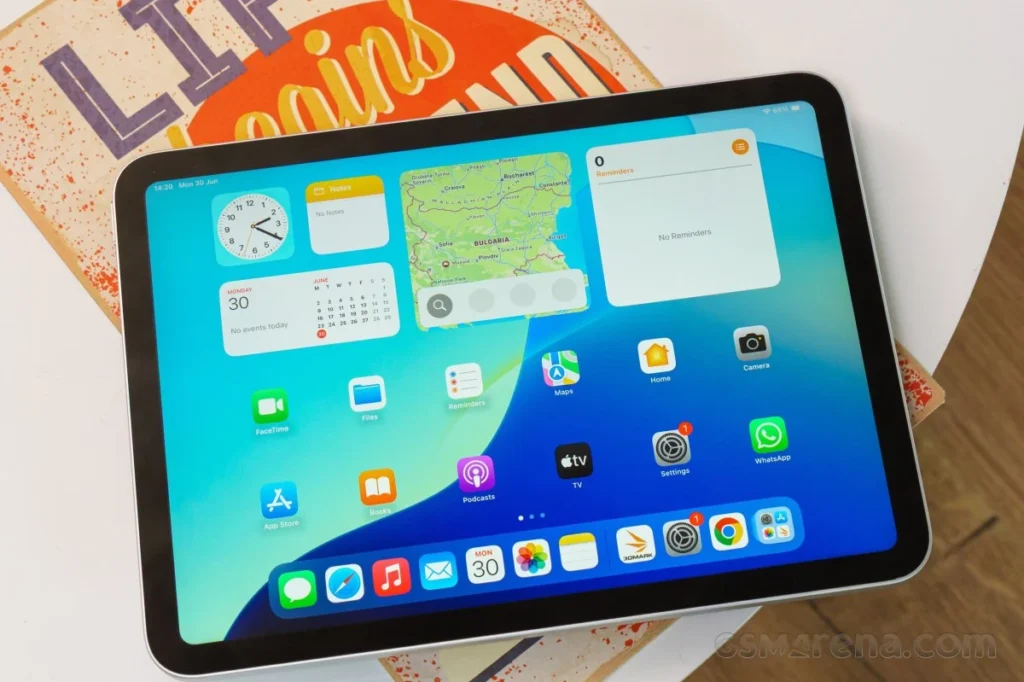
The landscape of personal computing is shifting, and Apple’s strategy for its entry-level tablet segment appears to be undergoing a significant transformation. Following the release of the current iteration in March 2025, industry anticipation has already turned toward its successor, expected to debut in the spring of 2027. While the device remains nearly two years from its official unveiling, a treasure trove of technical specifications has surfaced, extracted directly from Apple’s proprietary code. These findings offer a compelling glimpse into how the tech giant plans to bridge the gap between "budget-friendly" and "AI-powered performance."
Main Facts: A Generational Leap in Silicon and Connectivity
The core of the upcoming entry-level iPad, identified in recent code leaks, centers on a substantial hardware overhaul. The most notable shift is the transition to the A19 Bionic chip. This represents a significant jump from the A16 chip found in the current 2025 model, promising not just faster processing speeds, but vastly improved efficiency and neural engine capabilities.
Complementing this new silicon is an upgrade to 8GB of RAM. In the modern ecosystem, where Apple Intelligence and multitasking features demand higher memory overhead, the move from 6GB to 8GB is a strategic necessity. This configuration ensures that the 2027 iPad will not only function as a content consumption device but as a viable tool for generative AI tasks, photo editing, and complex multitasking.
Beyond processing power, the tablet is set to feature a suite of cutting-edge connectivity modules:
- C1X Modem: This custom-engineered component will provide support for sub-6GHz 5G networks, ensuring the tablet maintains high-speed cellular connectivity.
- N1 Networking Chip: This chip is arguably the most forward-looking component, bringing support for Wi-Fi 7, Bluetooth 6, and Thread protocol integration. The inclusion of Thread, in particular, signals Apple’s deepening commitment to the Matter smart home standard, effectively positioning the iPad as a potential hub for connected living environments.
Chronology: The Evolution of the Entry-Level iPad
To understand the trajectory of this upcoming release, one must look back at the historical cadence of the iPad line. Since its inception, the entry-level iPad has served as the "gateway" device for the Apple ecosystem.
- March 2025: Apple releases the current generation iPad, which brought the A16 chip and 6GB of RAM to the base tier. This device was positioned to maintain relevance in an era of increasing AI demand.
- June 2026: A pivotal moment occurred when Apple implemented a strategic price hike across its entry-level tablet lineup. The current MSRP settled at $449, reflecting rising costs in component procurement and manufacturing.
- September 2026: Technical details emerge from Apple’s internal code. These leaks provide the first concrete evidence of the 2027 model’s specifications, confirming the integration of the A19 chip and the N1 networking suite.
- Spring 2027 (Expected): The projected launch window for the next-generation device. Historically, Apple prefers late Q1 or early Q2 launches for its educational and entry-level hardware to align with academic budget cycles.
Supporting Data: Understanding the AI Integration
The inclusion of the A19 chip is not merely about raw benchmark scores; it is about enabling the Apple Intelligence framework. By 2027, the "new Siri"—which will have undergone multiple iterative updates—will require the robust neural processing power found in the A19 architecture.
The jump to 8GB of RAM is particularly telling. Apple has historically been conservative with RAM allocation, but the requirements for local Large Language Model (LLM) execution leave little room for error. With 8GB, the 2027 iPad will be able to handle complex background processes, image generation, and intelligent text synthesis without the stuttering or memory-swapping performance bottlenecks that often plague devices with limited volatile memory.
Furthermore, the integration of Wi-Fi 7 (via the N1 chip) represents a massive leap in data throughput. Wi-Fi 7 can offer speeds significantly faster than Wi-Fi 6E, with reduced latency and better stability in crowded network environments. For a tablet that is increasingly used for high-definition streaming and cloud-based gaming, this upgrade is a crucial selling point for the 2027 refresh.
Official Responses and Industry Sentiment
As is standard protocol, Apple has declined to comment on the leaked internal code. However, the sentiment among industry analysts is overwhelmingly positive. The leak, which originated via MacRumors, has been corroborated by several supply chain trackers who note that Apple’s procurement orders for the A19 series silicon have begun to scale upward, suggesting a long-term production cycle that aligns with a 2027 release date.
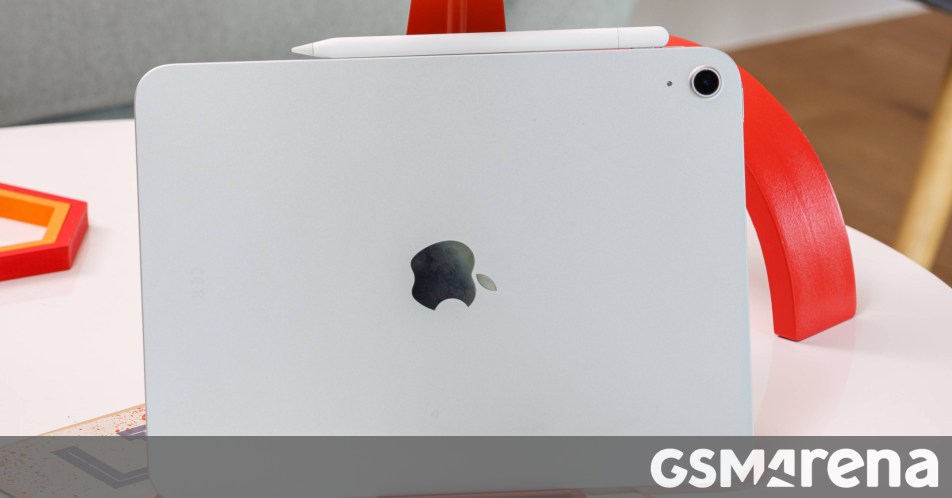
Market analysts suggest that by baking AI support into the very entry point of the tablet line, Apple is attempting to "future-proof" the user experience. By 2027, consumers will likely view AI features not as a luxury, but as a standard requirement for any smart device. Apple’s decision to include these capabilities in the base iPad ensures that the company does not cede the mid-range market to competitors who are aggressively pursuing AI-integrated hardware.
Implications: Pricing, Market Position, and the Consumer
The implications of these hardware upgrades extend far beyond specs sheets; they touch upon the economics of the tablet market.
The Pricing Dilemma
With the current entry-level iPad sitting at $449, there is significant speculation regarding the launch price of the 2027 model. Analysts at major financial firms suggest that the increased cost of the A19 silicon, coupled with the sophisticated N1 networking chip and the expanded 8GB RAM module, will put immense pressure on margins.
It is highly probable that the base model could climb to $499. While a $50 increase may seem incremental, it is psychologically significant. It edges the "entry-level" device closer to the mid-range pricing tier, potentially alienating the education sector, which relies on cost-effective, bulk-buy hardware. However, Apple may attempt to mitigate this by offering robust trade-in programs or aggressive financing options, a strategy they have utilized successfully in the past to maintain high unit sales despite rising MSRPs.
The Smart Home Hub
Perhaps the most intriguing implication is the integration of the Thread protocol. By including Thread hardware in the entry-level iPad, Apple is implicitly turning its most popular tablet into a central controller for the modern home. When paired with the "new Siri" and the processing power of the A19, the iPad ceases to be just a tablet and becomes an interactive, ambient computer that can manage lighting, security systems, and climate control with minimal latency.
The Longevity Factor
For the average consumer, these upgrades imply a longer lifespan for the device. An iPad with 8GB of RAM and an A19 chip will likely remain supported by iPadOS updates for five to seven years. This provides a compelling value proposition: even if the initial purchase price is higher, the "cost per year" of ownership remains competitive because the device will remain functional and performant well into the next decade.
Conclusion: The Road Ahead
The roadmap for the 2027 entry-level iPad is clearly defined by a shift toward artificial intelligence and high-performance connectivity. By leveraging its vertical integration—designing the silicon (A19), the connectivity (N1), and the software (Apple Intelligence)—Apple is positioning its next entry-level tablet as a powerhouse of utility.
While the projected price increase to $499 may raise eyebrows among budget-conscious consumers, the technical specifications suggest a device that is arguably the most capable "base model" Apple has ever produced. As the 2027 release date approaches, the focus will undoubtedly shift from internal component specifications to how these technologies integrate into the daily lives of students, creative professionals, and casual users alike. For now, the code has spoken: the future of the iPad is faster, smarter, and more connected than ever before.