WordPress 7.0 “Armstrong”: A New Era of AI-Driven Web Development
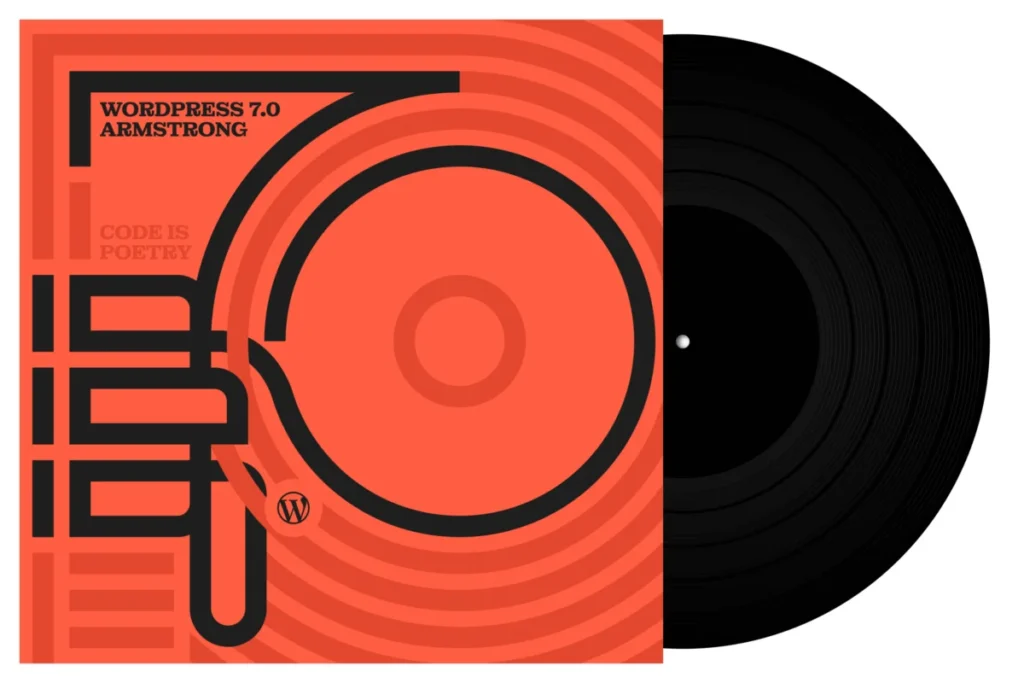
The landscape of open-source publishing has shifted once again. With the official release of WordPress 7.0, codenamed "Armstrong," the world’s most popular content management system (CMS) has signaled a definitive pivot toward the future of web creation: the seamless integration of Artificial Intelligence. Named in honor of the legendary jazz trumpeter and innovator Louis "Satchmo" Armstrong, this major version update is not merely an incremental improvement; it is a fundamental reimagining of how users interact with their digital environments.
Main Facts: A Symphony of Innovation
At its core, WordPress 7.0 introduces a sophisticated architecture designed to weave generative AI directly into the fabric of the CMS. By establishing a centralized "AI Client" within the core software, WordPress has provided a robust framework that allows developers and site owners to interact with various large language models (LLMs) and generative tools without the friction of fragmented plugins.

Key highlights of the 7.0 release include:
- AI-Core Integration: A native AI Client and "Abilities API" that allow for automated workflow orchestration, content generation, and media manipulation.
- A Revitalized Dashboard: A complete UI/UX overhaul featuring a modern, high-contrast aesthetic and smoother, more fluid navigational transitions.
- Command Palette Expansion: A centralized shortcut system (
Ctrl/Cmd + K) that effectively flattens the administrative learning curve. - Advanced Design Tooling: New blocks (Icons, Breadcrumbs, enhanced Gallery) and responsive controls that allow for device-specific visibility toggling.
- Server-Side Block Development: The ability for developers to register blocks and patterns using PHP, significantly lowering the barrier to entry for custom site development.
Chronology: The Road to 7.0
The development cycle for WordPress 7.0 was characterized by an unprecedented level of community collaboration. Following the success of the 6.x series, which refined the Gutenberg block editor, the 7.0 roadmap was set in early 2026.

- January 2026: The core team announced the "Armstrong" initiative, focusing on three pillars: AI democratization, administrative performance, and developer ergonomics.
- March 2026: The beta testing phase commenced, involving over 21 global web hosting partners who stress-tested the new API endpoints to ensure backward compatibility and server stability.
- April 2026: A series of "Release Candidate" builds were pushed to the community, focusing on refining the new client-side JavaScript packages.
- May 2026: Official launch. The release was finalized by a massive global effort involving over 875 individual contributors, a significant portion of whom were first-time participants.
Supporting Data and Technical Architecture
The technical significance of WordPress 7.0 lies in its shift toward a hybrid-client architecture. The introduction of the Client-Side Abilities package is a major milestone. By providing a JavaScript-native counterpart to the server-side Abilities API, the team has enabled developers to build real-time AI interfaces that operate with minimal latency.
Data from the release notes indicates that 7.0 includes over 420 distinct enhancements and bug fixes. The "Connector’s Screen" provides a centralized hub for managing API keys and model configurations, supporting three default presets while remaining open to third-party integrations. For the developer community, the new wordpress/boot package is perhaps the most transformative addition, allowing for the construction of custom site-editor pages that were previously restricted by rigid theme structures.

Official Responses and Community Impact
The WordPress community has largely hailed the release as a masterful balance between tradition and innovation. In a recent statement, the core contributor team emphasized that the naming of the version—"Armstrong"—was intentional. Just as Louis Armstrong transformed jazz from an orchestral, collective experience into a medium for individual virtuosity, WordPress 7.0 seeks to transform web development from a rigid, code-heavy task into a fluid, improvisational creative process.
"The mission of WordPress remains the democratization of publishing," noted a spokesperson from the core team. "With 7.0, we aren’t just democratizing the ability to publish; we are democratizing the ability to ideate, design, and iterate at the speed of modern thought."

The reception from the developer ecosystem has been equally enthusiastic, particularly regarding the server-side block registration. By enabling PHP-based block creation, WordPress has effectively bridged the gap between traditional WordPress developers and the modern JavaScript-heavy block ecosystem, ensuring that the platform remains accessible to a broader range of skill sets.
The Implications: What This Means for the Future
The arrival of WordPress 7.0 marks a transition point in the history of the web. Several key implications arise from this release:

1. The Death of the "Static" Site
With AI-driven content generation and image manipulation built directly into the core, the standard for a "modern website" has moved beyond static text. Websites built on 7.0 are expected to be dynamic, context-aware, and highly adaptive to the user’s needs.
2. The Rise of the "Builder" Economy
The focus on the Site Editor, breadcrumbs, and pattern-based layout management suggests that WordPress is doubling down on its position as a visual builder. This puts it in direct competition with proprietary "drag-and-drop" builders, but with the distinct advantage of open-source freedom.

3. Professionalization of AI Workflows
Previously, AI tools for WordPress were scattered across a landscape of unreliable third-party plugins. By standardizing the "Abilities API," WordPress 7.0 provides a professional-grade, secure, and manageable way for businesses to deploy AI. This reduces the risk of vendor lock-in and provides a unified interface for administrative tasks.
4. Accessibility and Inclusion
The commitment to 200+ languages and the tireless work of over 875 contributors ensures that the power of 7.0 is not limited to English-speaking markets. The inclusivity of the development process—welcoming over 200 first-time contributors—suggests that the project remains a vibrant, living ecosystem that evolves alongside its global user base.

Conclusion: A Legacy in the Making
WordPress 7.0 “Armstrong” is a testament to the power of open-source collaboration. By successfully integrating complex technologies like generative AI into an accessible, user-friendly interface, the project has ensured its relevance for the next decade of web development.
For the small business owner, it offers an intuitive way to build a professional web presence without needing a degree in computer science. For the developer, it offers a powerful, extensible, and modern framework to build the next generation of digital tools. And for the global community of contributors, it represents a successful "jam session"—a collective effort to refine, harmonize, and elevate the standard for what a website can be.

As we look toward the future, one thing is clear: the "Armstrong" era has arrived, and it is ready to help users everywhere build their own unique digital melody.
For those looking to transition to 7.0, the following resources are highly recommended:

- The WordPress Field Guide: A deep dive into the technical changes, essential for developers planning to update their themes or plugins.
- Learn WordPress: A comprehensive library of video tutorials and interactive workshops to help users get comfortable with the new dashboard and AI features.
- Release Notes: A complete audit of file changes and performance improvements for those managing large-scale, enterprise-grade installations.
The journey of the web is long, but with 7.0, the path forward has never been clearer, or more creative.