The Future of Influence: Mapping the B2B Social Media Landscape for 2025
The B2B marketing paradigm is undergoing a profound transformation. Gone are the days when professional services and software companies could rely solely on dry, corporate-centric communication. As we move into 2025, the boundary between B2B and B2C marketing continues to blur, necessitated by a sophisticated, digital-first buyer who demands authenticity, speed, and genuine value.
This evolution is not merely a stylistic preference; it is a direct response to shifting consumption habits. According to the latest data from the Netline B2B Content Consumption Report, the modern professional is increasingly prioritizing content that is not only educational but deeply personalized and relatable. To stay competitive, brands must move beyond traditional lead-generation tactics and embrace a holistic social media strategy that prioritizes human connection.
The Evolution of the B2B Playbook: A Chronological Shift
For decades, B2B marketing was defined by high-barrier, long-cycle interactions—white papers, gated industry reports, and formal trade shows. However, the trajectory of the last five years has accelerated the transition toward "social-first" discovery.
- 2020–2022 (The Digital Pivot): The pandemic forced B2B organizations to move their entire marketing funnel to digital channels. This period saw the rise of the webinar as the primary engagement tool.
- 2023–2024 (The Rise of Short-Form): Influenced by the explosive growth of TikTok and Instagram Reels, B2B brands began experimenting with "edutainment," realizing that complex products could be broken down into digestible, 60-second video clips.
- 2025 and Beyond (The Era of AI-Driven Authenticity): We are now entering a phase where AI facilitates the heavy lifting of data analysis and content scaling, allowing human marketers to double down on high-level strategy, personal branding, and authentic storytelling.
Authenticity as a Competitive Advantage
In 2025, the "corporate mask" is no longer a strategic asset; it is a liability. Buyers are increasingly skeptical of polished, highly produced advertising that feels disconnected from the realities of their daily operations.
Modern B2B storytelling now centers on "radical transparency." Brands are finding success by pulling back the curtain on internal challenges, company culture, and the "why" behind their product development. By showcasing the people behind the logo, companies can foster emotional connections that build long-term brand loyalty. When a brand admits to a failed project or discusses industry-wide pain points with humility, it establishes a level of trust that traditional advertising simply cannot replicate.
The Video Dichotomy: Balancing Reach and Depth
The strategic use of video remains the cornerstone of any robust social media plan. However, the 2025 landscape requires a bifurcated approach: short-form for discovery and long-form for authority.
The Power of Short-Form
Short-form video has become the primary engine for top-of-funnel lead generation. Platforms like LinkedIn (via its expanded video features), TikTok, and Instagram provide the necessary reach to capture attention in a saturated market. For B2B, this content should focus on:

- Micro-tips: High-value advice delivered in under 60 seconds.
- Company Culture: Humanizing the brand through employee spotlights.
- Real-time Reactions: Providing commentary on industry-breaking news.
The Authority of Long-Form
While short-form grabs attention, long-form content—such as detailed webinars, deep-dive podcasts, and technical product demos—retains it. As seen with industry leaders like Salesforce and HubSpot, these assets are essential for mid-to-late funnel nurturing. They prove expertise, answer complex questions, and provide the "social proof" required for high-stakes purchasing decisions.
Establishing Authority: The Thought Leadership Mandate
Thought leadership is no longer a "nice-to-have"—it is a critical pillar of SEO and brand credibility. In the professional sphere, LinkedIn has evolved into the central hub for intellectual discourse.
When executives or subject matter experts within a company share unique perspectives, they create a "halo effect" around the brand. This strategy does more than just drive traffic; it elevates the company’s status from a "vendor" to a "strategic partner." To execute this effectively, brands should:
- Encourage Executive Participation: Personal accounts often receive higher organic reach than company pages.
- Focus on Industry Predictions: Use data-backed insights to forecast where the market is headed.
- Engage in Community Conversations: Don’t just broadcast; participate in the comments sections of industry peers.
The Professionalization of B2B Influencer Marketing
For years, the term "influencer" was reserved for the B2C fashion or lifestyle space. In 2025, that stigma has vanished. B2B influencer marketing is now a recognized discipline, centered on partnering with niche experts, industry analysts, and well-respected consultants.
The benefits are twofold:
- Instant Credibility: Associating with a known expert transfers their trust to your brand.
- Access to Niche Audiences: Influencers have already curated the communities that B2B brands struggle to penetrate.
A prime example is Oracle’s "On the Fly" video series, which leveraged the expertise of 30 industry influencers to create content. This campaign successfully bypassed traditional "corporate" barriers, driving significant traffic to their digital properties through the authentic voices of trusted industry figures.
AI Integration: Efficiency at Scale
Artificial Intelligence is the great equalizer of 2025. By automating the mundane aspects of content production, marketing teams are finding more time to focus on creative strategy.
Key areas of AI impact include:
- Predictive Analytics: Identifying which topics will gain traction before they become saturated.
- Content Repurposing: Automatically turning a long-form webinar into a series of short-form clips, blog posts, and social media captions.
- Engagement Optimization: Using AI to analyze the best times to post and the most effective formats for specific segments of the audience.
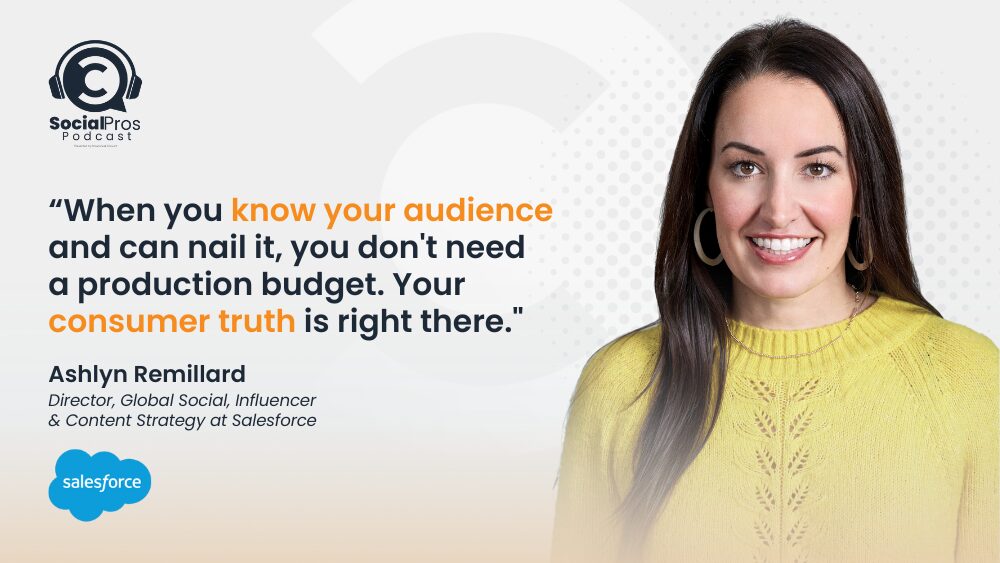
However, a word of caution: AI should augment the human element, not replace it. The most successful brands in 2025 will be those that use AI to gain efficiency while ensuring the final output remains distinctly "human" in tone and insight.
Implications for the Future: Solving for the Customer
At the heart of every successful 2025 social media strategy is a singular, unwavering focus: the customer’s pain point.
Every piece of content, whether a 30-second reel or a 45-minute technical webinar, must answer a specific question or resolve a specific friction point for the prospect. When a brand shifts its perspective from "What do we want to say?" to "What does our customer need to hear?", the result is a more engaged audience and a shorter, more efficient sales cycle.
Summary of Strategic Priorities for 2025
- Humanize the Brand: Abandon corporate jargon in favor of authentic, conversational storytelling.
- Adopt a Two-Tiered Video Strategy: Use short-form for reach and long-form for deep education.
- Invest in B2B Influencers: Partner with industry voices to build trust in niche markets.
- Leverage AI Strategically: Use tools to scale output, but maintain a human-centric editorial voice.
- Focus on Pain Points: Ensure every asset provides tangible, actionable value to the buyer.
The landscape of B2B social media is undeniably complex, but it is also more rewarding than ever for those willing to adapt. By prioritizing authentic relationships and leveraging the latest in digital tools, B2B brands can move beyond the noise and establish a lasting presence that resonates with the modern, informed buyer. As the year progresses, those who remain agile and focused on the human element will undoubtedly secure a significant competitive advantage.