Beyond the "One-Button" Myth: Building Professional AI Content Workflows for Modern Marketing
In the rapidly evolving landscape of generative AI, there is a pervasive and dangerous misconception: the idea that high-end marketing campaigns can be conjured by a single click of a button. While the demo videos for AI tools often showcase breathtaking, seamless results, the reality is that those clips are the product of teams of professionals with deep film backgrounds, hours of meticulous labor, and a clearly defined creative vision.
As AI educators like Jerrod Lew point out, the software itself—whether it is a generative image model or a video synthesis tool—is no different from professional suites like Adobe Premiere Pro or After Effects. It requires human direction, intent, and a strategic framework. For marketers, the true power of AI lies not in the "magic" of the output, but in the ability to build repeatable, high-quality systems that transform non-technical creators into visual storytellers.
Main Facts: The New Reality of AI Production
The shift in AI marketing is moving away from standalone prompts toward integrated, multi-modal workflows. Modern tools now allow for character consistency, style adherence, and complex, multi-stage production cycles.
Key developments shaping this new era include:
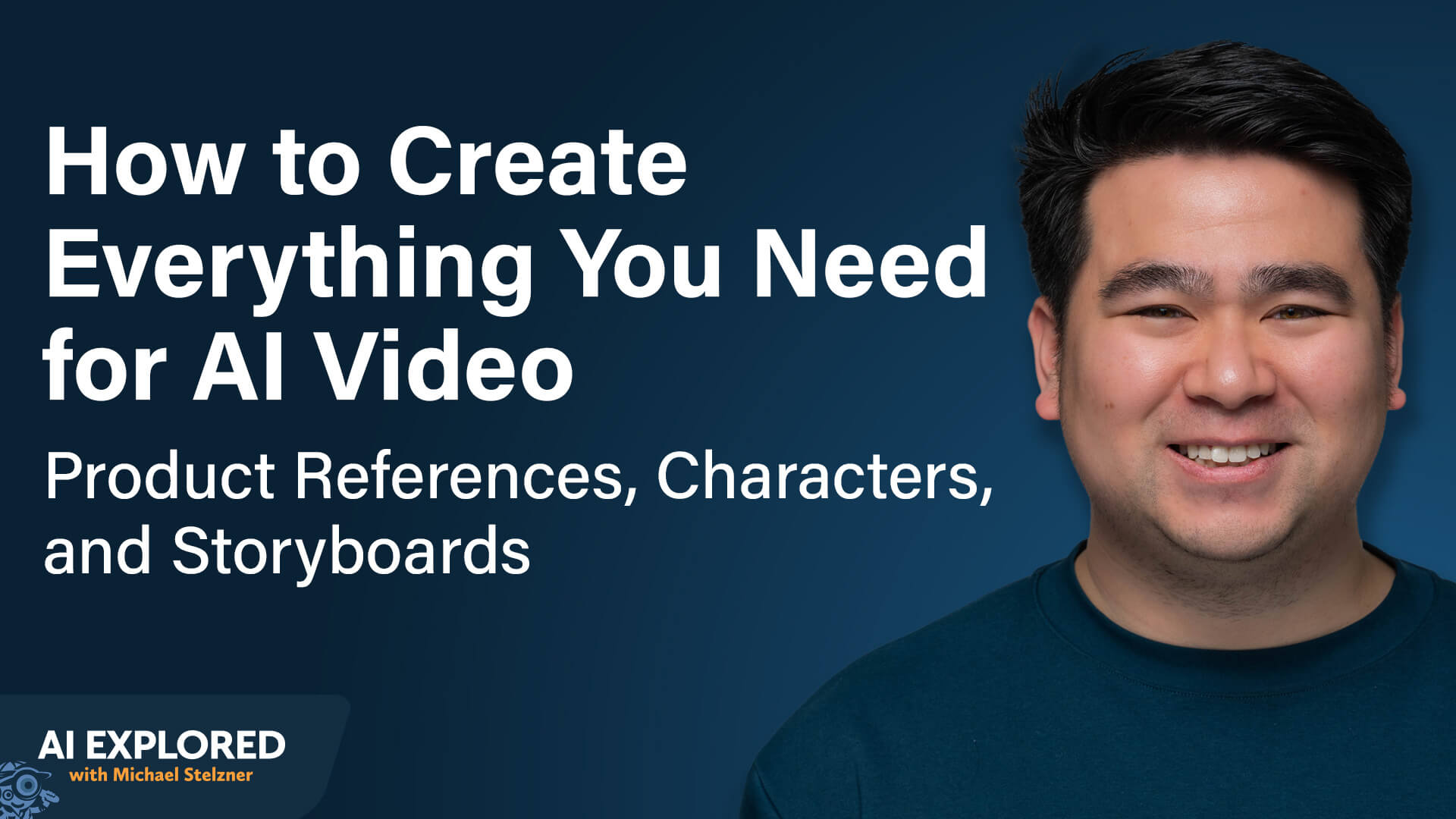
- The Rise of Aggregator Platforms: Rather than subscribing to dozens of individual services, professionals are turning to platforms like Magnific to access dozens of model APIs in one place.
- The "Image-First" Video Workflow: Experts now advocate for a storyboard-heavy approach where images are perfected before a single frame of video is generated, saving time and computational resources.
- Multimodal Integration: Models such as Google’s Omni Flash and ByteDance’s Seedance 2.0 allow for the blending of text, audio, and visual data, producing content that is ready for deployment rather than raw, silent footage.
A Chronology of the Modern AI Creative Pipeline
The professional AI workflow has evolved from "prompt-and-pray" to a structured, five-step engineering process.
Phase 1: Establishing the Brand Foundation
Before any generation begins, the brand must be grounded. Using tools like CoreDesigner, marketers can now consolidate fragmented assets—logos, color palettes, and website screenshots—into a unified design system. This prevents the "AI look" that often happens when tools generate content without clear stylistic guardrails.
Phase 2: Creating Reference Assets
This is the most critical technical step. To maintain consistency, creators must generate "Reference Sheets." For products, this means feeding the model multiple angles of an object. For human subjects, it requires a "Character Sheet"—a composite image featuring the subject from multiple angles and with various emotional expressions. These sheets act as the "source of truth" for all subsequent generations.
Phase 3: The Storyboarding Phase
By treating image generation as the primary storyboard, creators can experiment with scenes, lighting, and composition at a fraction of the cost of video generation. This phase allows for iterative feedback loops—testing 30 variations at once to find the one that fits the brand’s visual identity.

Phase 4: Video Generation
With the storyboard in place, the video generation process becomes highly efficient. Because the AI already has the visual reference, text prompts can be limited to camera movement, pacing, and specific actions.
Phase 5: Targeted Refinement
Modern models like Omni Flash allow for surgical edits. Instead of re-rendering an entire video because of a background error, users can now instruct the model to "remove the car in the background" or "change the lighting in the third scene," preserving the integrity of the original creation.
Supporting Data: Selecting the Right Tools
The current market is crowded, but specific tools have risen to the top based on their reliability and feature sets:
- Google Flow: A project-based environment that allows for the management of character references and brand guidelines, serving as a "creative director" layer for production.
- Google Omni Flash: A powerhouse for video editing that accepts diverse inputs and allows for natural language-based scene modifications.
- Seedance 2.0: Widely considered the industry leader for production-ready clips, it distinguishes itself by generating high-quality audio, dialogue, and background soundscapes alongside video.
- Kling 3.0: The gold standard for character consistency. It is currently the most capable model for generating realistic, 4K-ready video of human subjects from static reference photos.
- ChatGPT Images 2.0: While it faces stiff competition from Imagen 2, it remains a favorite for its superior text-rendering capabilities, making it indispensable for thumbnails and animation reference documents.
Official Perspectives and Expert Guidance
Jerrod Lew, a leading AI educator, emphasizes that the barrier to entry for professional-grade content has effectively vanished. "A music background, a writing habit, or a product worth showing—any of these is now enough to start producing professional-quality visual content from a laptop or a phone," Lew notes.
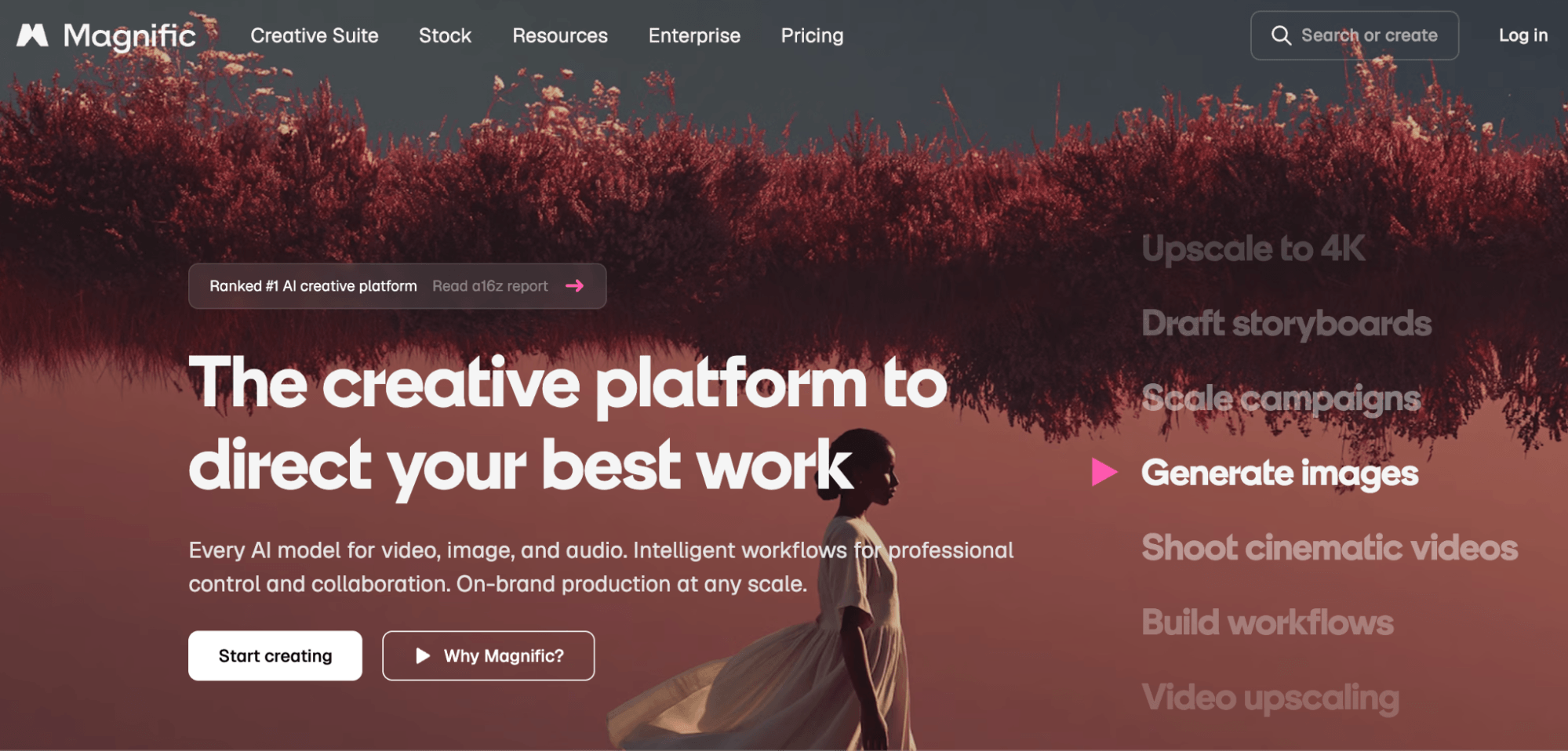
The strategy he advocates for businesses is to avoid "subscription fatigue." By utilizing platform aggregators like Magnific, marketers can access a wide array of specialized models through a single node-based canvas. This "Spaces" environment allows for the automation of complex tasks, such as running parallel iterations of thumbnails or product shots, which are then compared to find the optimal result.
The Implications for Marketing Strategy
The transition to AI-integrated workflows has profound implications for the marketing industry.
1. The Democratization of Production
The reliance on expensive studio equipment and specialized film crews is being challenged. Small teams can now output content that previously required a mid-sized production company. This shifts the value of the marketer from "technical operator" to "creative director."
2. The Return of the "Human Element"
Contrary to fears that AI would replace human creativity, the need for human input has intensified. Because the AI cannot "know" the brand’s story or the emotional intent of a campaign, the human’s role as a curator and strategic guide is more critical than ever. The software produces the how, but the human must define the why.
3. Scaling Personalization
One of the most significant advantages of this workflow is the ability to scale. A brand can take a single product and, through an automated workflow, generate hundreds of variations tailored for different audience segments, social platforms, and regional markets—all while maintaining perfect brand consistency.
4. Operational Efficiency
By moving from manual, iterative creation to a systemic approach, businesses can drastically reduce their time-to-market. The ability to run 30 iterations of an ad simultaneously and pick the winners allows for data-driven creative decisions that were previously impossible to execute at scale.
Conclusion: Preparing for the Future
For marketing teams, the path forward is clear: move beyond the allure of quick AI demos and begin building robust, reference-based systems. By grounding every AI project in a strong brand foundation, utilizing proper reference assets, and leveraging the power of node-based aggregators, marketers can finally bridge the gap between "flat" AI results and the high-polish, professional-grade campaigns that define market leaders.
As these technologies continue to integrate into the broader workspace—moving from dedicated apps to embedded tools in Google Docs, Slides, and beyond—the ability to navigate these workflows will become the defining skill of the next generation of creative professionals. The tools are ready; the question is whether the creative vision is there to guide them.