Empowering the Electric Transition: Milo Drive Secures $2.4 Mn Seed Funding to Revolutionize EV Fleet Operations
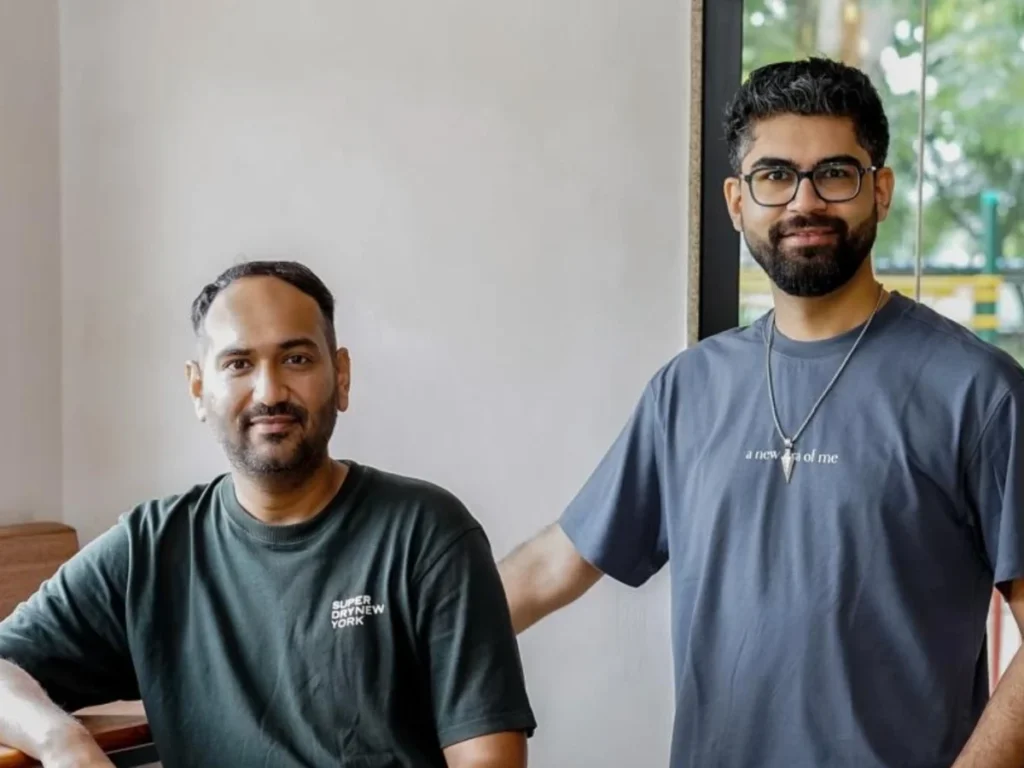
In a significant boost to India’s rapidly evolving electric vehicle (EV) ecosystem, Milo Drive, a tech-forward startup focused on the electric mobility sector, has successfully closed a $2.4 million (approximately ₹22.9 crore) seed funding round. The investment, co-led by venture capital heavyweights Caret Capital and Antler, signals growing investor confidence in the infrastructure layer of India’s green transition.
The funding round saw robust participation from a consortium of prominent investors, including Alteria Capital, India Angel Network (IAN) Capital, Climate Angels, and Aureolis Capital. This capital infusion arrives at a pivotal moment for the Indian EV market, which is currently navigating a period of structural consolidation and aggressive expansion.
The Genesis and Mission of Milo Drive
Founded in 2024 by industry veterans Monil Jayeshkumar Khatri and Vishal Jewrajka, Milo Drive was conceived to address the operational friction inherent in transitioning to electric fleets. While the narrative of EV adoption often focuses on vehicle sales, Milo Drive operates in the critical "middle mile" of the sector: the enablement of electric cab drivers and small-to-medium fleet owners.
The startup provides a comprehensive technological ecosystem that integrates ride demand aggregation, charging infrastructure optimization, and end-to-end fleet management tools. By serving as a bridge between the driver and the complexities of the EV grid, Milo Drive aims to solve the "profitability puzzle" that often keeps independent drivers from making the switch from Internal Combustion Engine (ICE) vehicles to electric counterparts.
Strategic Capital Allocation: Scaling the Infrastructure
Milo Drive has outlined a clear roadmap for the deployment of its newly acquired capital. The primary objective is to strengthen its multi-channel demand network—a critical component for ensuring high vehicle utilization rates.
According to the company, a significant portion of the funds will be directed toward:
- Expansion of the Fleet Base: Milo Drive intends to aggressively onboard small fleet operators, a segment that has historically been underserved by large-scale mobility aggregators.
- Charging Intelligence: The company plans to refine its proprietary algorithms that guide drivers toward the most efficient charging points, thereby minimizing downtime.
- Platform Scalability: Scaling its technological infrastructure to support a higher volume of drivers and mobility entrepreneurs remains a top priority.
Chronology of Growth: From Inception to Market Impact
Though the company is in its nascent stages, its growth trajectory has been marked by rapid operational efficiency.
- 2024: Milo Drive is founded by Monil Jayeshkumar Khatri and Vishal Jewrajka with a vision to streamline EV fleet operations.
- Early Operational Phase: The startup begins testing its demand aggregation models, pulling from corporate travel, airport transfers, and car rental sectors.
- Milestone Achievement: Within a remarkably short window, the platform facilitates over 1 million rides, proving the viability of its data-driven model.
- Current Milestone: The company successfully closes its $2.4 Mn seed round, setting the stage for national expansion.
Supporting Data: The Efficiency Engine
The effectiveness of Milo Drive lies in its reliance on data analytics and machine learning. In an industry where "range anxiety" and "charging downtime" are the primary deterrents, Milo Drive has positioned itself as a productivity partner.
Current performance metrics shared by the company highlight the impact of its technology:
- Automation: The platform claims to automate nearly 90% of manual fleet operations, significantly reducing administrative overhead for small business owners.
- Income Growth: Through its driver app—which provides real-time collections management, charging guidance, and earnings transparency—drivers have reported a 20% increase in their net income.
- Optimization: By using predictive analytics to optimize ride allocation, the platform ensures that vehicles spend less time idle and more time generating revenue.
The Shifting Landscape of Indian EV Mobility
The Indian electric mobility sector is currently undergoing a "reset." Last year saw the market grapple with the exit of major players like BluSmart from certain segments of the organized fleet ecosystem, creating a void that has left both demand and supply in flux.
However, the space is far from dormant. The market is witnessing a wave of new entrants and strategic pivots:
- International Entry: Last month, VinFast parent Vingroup introduced its electric cab service, Green SM Limo, to the Delhi NCR region, signaling global interest in the Indian market.
- Corporate Synergies: The pilot launch of "Blue Move," a joint ride-hailing platform by Hyundai Motor and TVS Motor, highlights the entry of automotive incumbents into the mobility-as-a-service (MaaS) domain.
Milo Drive is positioning itself to be the "picks and shovels" provider for this ecosystem. By building the infrastructure that powers these fleets, Milo Drive creates a platform-agnostic layer that can support the diverse needs of fleet operators, regardless of which OEMs (Original Equipment Manufacturers) dominate the vehicle supply.
Implications for the Future of Indian Transportation
The implications of Milo Drive’s business model are twofold: they facilitate environmental sustainability while simultaneously driving financial inclusion for the gig economy.
1. The $132 Billion Opportunity
According to the Inc42 India’s Electric Vehicle Startup Landscape Report 2025, the sector is projected to reach a valuation of $132 billion by 2030. This growth is contingent upon not just the number of vehicles on the road, but the efficiency of the ecosystem surrounding them. Milo Drive’s focus on the "fleet operator" segment—the backbone of Indian urban transport—is a high-leverage strategy that aligns with this massive market growth.
2. Solving the "Small Operator" Problem
Historically, large fleet operators have had the resources to manage their own charging and scheduling. However, the future of India’s EV fleet lies with thousands of small operators managing 5 to 50 vehicles. Milo Drive’s ability to democratize access to advanced fleet management tools empowers these small-scale entrepreneurs, allowing them to compete with larger, well-funded incumbents.
3. Sustainability and Grid Integration
By optimizing charging patterns, Milo Drive’s platform inherently supports grid stability. Their technology ensures that charging happens at optimal times, reducing the burden on charging infrastructure and ensuring that EVs are charged when the grid is most capable of handling the load.
Official Stance and Market Outlook
While the founders remain focused on execution, the investor sentiment is clear: the "demand-charging-management" nexus is the most critical bottleneck in the EV transition.
Investors like Caret Capital and Antler, known for their focus on scalable, high-impact technology, view Milo Drive not just as a fleet company, but as a SaaS-enabled mobility infrastructure play. By removing the friction for the individual driver, Milo Drive is effectively accelerating the adoption curve for electric vehicles in India.
Conclusion
As India pushes toward its ambitious net-zero targets, the success of the EV transition will be measured by the experiences of the drivers on the ground. Companies like Milo Drive, which prioritize the financial and operational health of the driver, are likely to be the true catalysts of this shift. With a fresh $2.4 million in the bank, a proven track record of over 1 million rides, and a technology stack that is already delivering tangible income growth for its users, Milo Drive is well-positioned to play a central role in the next decade of India’s electric mobility revolution.
The road ahead is complex, fraught with regulatory shifts and intense competition, but for the drivers and small fleet owners under the Milo Drive banner, the path to a cleaner, more profitable future looks significantly clearer.