The Sticker Shock of 2025: Analyzing the Potential European Price Hike for Oppo’s Find X10 Series
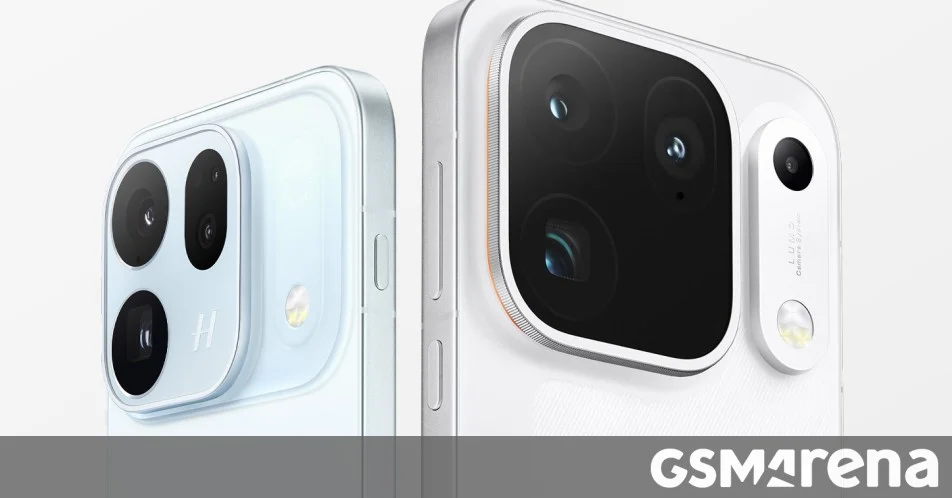
The global smartphone industry is currently navigating a period of unprecedented volatility. As artificial intelligence (AI) transitions from a software novelty to a hardware-integrated necessity, the demand for high-performance memory and storage chips has surged. This systemic pressure, coupled with supply chain complexities, has placed immense strain on manufacturers. Recent reports regarding the upcoming Oppo Find X10 and Find X10 Pro Max suggest that the consumer may soon bear the brunt of these costs, with leaked European pricing indicating a significant shift toward premium-tier, high-cost flagship devices.
The Core Revelation: A Disconcerting Price Trajectory
The latest industry rumors, originating from reports on the Find X10 series, have sent ripples through the tech community. While smartphone price inflation has been a recurring theme over the past three years, the figures associated with Oppo’s forthcoming flagship series are, by any measure, startling.
According to these leaks, the base model Oppo Find X10 is expected to launch at €1,399 for the 256GB storage variant, rising to €1,599 for the 512GB iteration. The top-tier Oppo Find X10 Pro Max is reportedly set to command a staggering €1,799 for its 512GB configuration. These figures represent more than mere incremental year-over-year growth; they signal a structural realignment of the flagship segment.
To contextualize this, one must look at the recent history of the series. The Oppo Find X9 debuted in Europe at a price point of €999, while the Find X9 Pro arrived at €1,299—both of which were competitive, high-end price points for the time. Comparing the 512GB models, the Find X10 represents a 60% price increase over its predecessor. Even the "Pro Max" variant, while perhaps offering more advanced hardware, sits 38% higher than the previous generation’s Pro model. For many consumers, these percentages represent the difference between an attainable luxury and an exclusionary premium product.
A Chronology of Flagship Inflation
The evolution of the "Flagship" designation has been rapid. Historically, the €1,000 threshold was considered the absolute ceiling for a premium smartphone. For several years, manufacturers like Oppo, Samsung, and Apple danced around this mark, justifying the price through advancements in camera optics, material build quality, and screen technology.
2022–2023: The Stability Era
During this period, Oppo maintained a relatively stable pricing strategy. The Find X9 series was positioned as a direct challenger to the heavyweights of the industry, offering a high-performance experience that provided a viable alternative to the market leaders. During this window, the cost of components like LPDDR5X RAM and UFS 4.0 storage was relatively predictable, allowing manufacturers to absorb minor inflationary pressures without passing the full weight of those costs onto the consumer.
2024: The AI Turning Point
The industry pivot toward "AI-ready" hardware changed the landscape entirely. AI-integrated smartphones require significantly more onboard memory and faster storage architectures to process Large Language Models (LLMs) locally. This led to a scramble for high-bandwidth memory (HBM) and specialized storage chips. As AI data centers began consuming the vast majority of the global silicon supply, smartphone manufacturers found themselves in a bidding war.
2025: The Current Crisis
As we enter the launch window for the Find X10, we are seeing the cumulative effect of these market forces. The scarcity of high-speed memory components, exacerbated by the global push for AI-driven mobile devices, has forced brands to reassess their margins. The leaked prices for the X10 series suggest that Oppo is no longer attempting to undercut the market, but is instead embracing a high-margin, ultra-premium strategy to insulate itself against the rising costs of production.
Supporting Data: Understanding the Component Crunch
The primary driver behind this price hike is the component cost structure. When a consumer buys a phone, they are essentially buying a bundle of silicon, glass, and rare earth minerals. In 2025, the "silicon" portion of that bundle has become significantly more expensive.
The Memory and Storage Bottleneck
The demand for AI processing has created a "memory wall." Because modern smartphones need to handle increasingly complex neural networks, the requirements for RAM have effectively doubled. Manufacturers are now looking to include 16GB, 24GB, or even more RAM as a standard feature. Since memory prices are highly susceptible to market demand, this has created a direct, linear increase in the Bill of Materials (BoM) for every unit produced.
The "AI Premium"
Beyond the raw cost of memory, there is the "AI premium." Developing or licensing sophisticated AI models to run on mobile silicon requires substantial R&D investment. Oppo, like its competitors, is attempting to recoup these development costs by pricing its flagship devices in the "super-premium" tier. While this strategy aims to maintain profitability, it also risks alienating the enthusiast base that has historically supported the Oppo Find series.
Official Responses and Strategic Positioning
While the leaks remain unverified, Oppo’s actions in other markets provide clues about their strategic direction. The company has already initiated "blind pre-orders" for the Find X10 series in the United Kingdom. This is a common tactic used by manufacturers to gauge consumer interest while simultaneously offering early-adopter incentives.

By offering a range of "freebies" and early-bird discounts in the UK market, Oppo is effectively attempting to soften the blow of the high price tag. This suggests that the company is fully aware of the price sensitivity in the European market. By bundling the hardware with accessories or services, they can maintain a high "nominal" price for the phone while providing perceived value to the consumer. This creates a psychological buffer, making the €1,399+ price point seem like a comprehensive package rather than just a cost for a single device.
However, the lack of an official statement regarding the European pricing suggests that Oppo may still be calculating the market reaction to these figures. If the public outcry is significant enough, it is possible that the company could introduce a lower-tier storage model or offer aggressive trade-in programs to bridge the gap.
Implications for the Future of Mobile Hardware
The implications of this potential pricing strategy extend far beyond the Oppo brand. If the Find X10 series establishes a new, higher price floor for the flagship category, we should expect a broader industry shift.
The Death of the "Affordable" Flagship
For years, the "flagship killer" trope dominated tech news. Companies competed to offer the best specs at the lowest price. The current market reality suggests that this era may be coming to a close. As AI hardware becomes the new baseline, the cost of entry for flagship-level performance is rising. We may see a bifurcation in the market: an "Ultra-Premium" segment priced at €1,400+ and a "Mid-Range" segment that compromises on AI features to keep costs under €700.

Consumer Behavior and Longevity
If smartphones are to become more expensive, their expected lifecycle must increase. Consumers are unlikely to pay €1,400 for a phone that they intend to replace in two years. This puts immense pressure on manufacturers to provide better long-term software support, more durable materials, and easier repairability. If Oppo is asking for a higher investment, they must justify that cost not just through performance, but through longevity.
The Rise of the Refurbished Market
High launch prices naturally fuel the secondary market. As new devices become increasingly expensive, a growing number of consumers will likely shift toward certified refurbished units or hold onto their existing devices for longer. This could lead to a decline in year-over-year unit shipments, forcing manufacturers to rely even more heavily on services and subscriptions to drive revenue.
Final Thoughts: A High-Stakes Gamble
The potential pricing for the Oppo Find X10 and Find X10 Pro Max is a reflection of the current geopolitical and economic state of the tech industry. It is a world where silicon is gold, and AI is the engine driving demand. For Oppo, the strategy is a high-stakes gamble: they are betting that the consumer’s desire for the latest, most powerful AI-integrated hardware will outweigh their price sensitivity.
Whether this gamble pays off will depend on the real-world performance of the Find X10. If the device can demonstrate that it offers a transformative experience—one that justifies the price through genuine utility rather than just spec-sheet bragging rights—then perhaps the market will adjust to this new reality. If not, the Find X10 might become a cautionary tale of how the industry’s hunger for AI integration collided with the economic limits of the consumer. As we await the official launch, the industry and the public alike will be watching closely to see if these leaked figures hold true and what they portend for the future of our digital lives.