The Unraveling of TeamPCP: How a Global Software Supply Chain Nightmare Came to an End
In a landmark operation that has sent shockwaves through the cybersecurity community, Australian law enforcement officials have dismantled the core of TeamPCP, a highly prolific and destructive cybercrime syndicate responsible for what experts describe as the longest-running software supply chain attack spree in history.
The Australian Federal Police (AFP), working in tandem with the FBI and Western Australia Police, confirmed the arrest of two men, aged 21 and 23, in Western Australia. The suspects, identified through court records as 21-year-old Ruben Ian Thomson and 23-year-old Michael Gaebler, are accused of spearheading a global operation that weaponized open-source software to infiltrate thousands of businesses, including major technology corporations and AI infrastructure providers.

The arrests mark the conclusion of a cat-and-mouse game that spanned continents, characterized by a unique blend of digital sophistication, reckless operational security (OpSec), and the influence of illicit substances.
The Genesis of the "Shai-Hulud" Campaign
TeamPCP emerged onto the cybercrime landscape in late 2025, quickly distinguishing themselves from traditional ransomware gangs. Rather than targeting singular entities for direct extortion, the group developed a self-propagating worm dubbed "Shai-Hulud."

The group’s strategy was deceptively simple but devastatingly effective: a cyclical exploitation of software developers. By compromising the credentials of developers at public repositories like GitHub or NPM, the hackers embedded malicious code into legitimate open-source tools. When unsuspecting developers downloaded these poisoned updates, the malware would spread to their machines, stealing further credentials and allowing the hackers to compromise even more downstream software.
This "cyclical recruitment" of networks allowed TeamPCP to scale their operation exponentially. In a brazen display of their intent, the group launched a "hacking contest" in May 2026, offering a base prize of $1,000 in Monero (XMR) to participants who could conduct the most effective supply chain operations using their code. As security firm Dataminr noted, the prize was merely a "recruitment floor"—the group was actively scouting for talent and harvesting illicit access at a level rarely seen outside of state-sponsored intelligence operations.

Chronology of a Digital Siege
The group’s reign of disruption saw several high-profile successes:
- March 2026: TeamPCP targeted the AI infrastructure firm LiteLLM, an open-source gateway connecting users to over 100 large language models. The breach, analyzed by CloudSEK, resulted in the exposure of cloud service keys and sensitive secrets for over 2,500 organizations, including many Fortune 500 companies.
- May 2026: The group claimed credit for breaching over 3,800 code repositories at Microsoft-owned GitHub, triggered by a single developer installing a compromised code extension.
- June 2026: The identity of the primary leader, Ruben Thomson, began to surface through forensic investigations, leading to a period of intense monitoring by cybersecurity journalists and threat intelligence firms.
- August 2026: Following months of escalating digital raids and internal group instability, the AFP executed warrants in Perth, resulting in the apprehension of Thomson and Gaebler.
The "Cybercats" Amalgamation
Security analysts at Google Threat Intelligence Group, led by Austin Larsen, describe TeamPCP not as a monolith, but as a "peer community" of actors. The group operated from a Matrix chat server dubbed "Cybercats," which served as a command-and-control hub for several distinct cybercriminal gangs.

The hub allowed members to coordinate attacks, share stolen data, and taunt victims publicly via X (formerly Twitter) long before mainstream media reported on the breaches. Key figures within this network included "Boxturtle" (linked to data breaches at automotive giants like BMW, Audi, and Toyota) and "SeesawSec" (associated with the Fulcrumsec gang, which targeted firms like Novo Nordisk and LexisNexis).
The inclusion of Michael Gaebler—the alleged "pcpcasper" within the group—added a chilling ideological dimension to the operation. Investigations revealed his deep involvement with the National Socialist Network, a neo-Nazi organization in Australia. These ideological ties, paired with the group’s chaotic internal dynamics, created a volatile mix of actors who were as dangerous as they were disorganized.

The Anatomy of an OpSec Failure
The downfall of TeamPCP was not the result of a single brilliant move by law enforcement, but rather the cumulative effect of the leader’s own catastrophic failures in operational security.
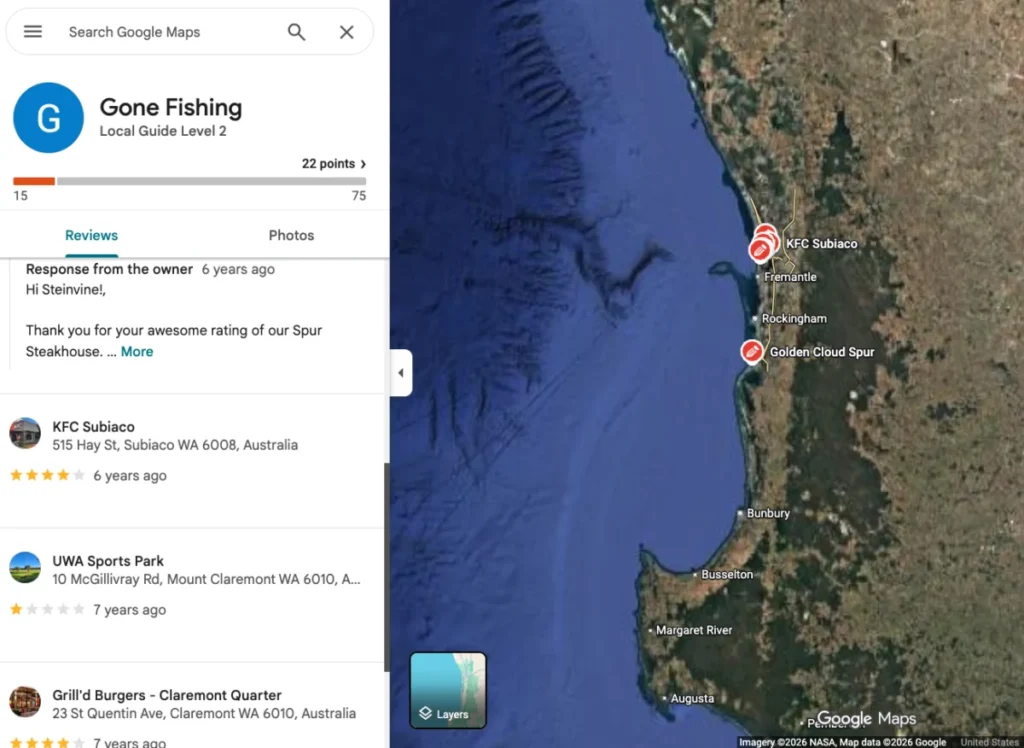
Ruben Thomson, who operated under handles such as "Ellis," "BulkDMT," and "Express," repeatedly left a digital trail that linked his criminal personas to his real-world existence in Cottesloe, Western Australia. Passive DNS records linked his home IP address to private file servers registered in his family’s name. His business ventures, including a firm ironically named "OPSEC Express," utilized his own hacker handles, making him an easy target for investigators.

Perhaps the most glaring error occurred on HackerOne, where Thomson registered a bug-bounty account under the alias "Deadcatx3"—a handle already flagged by multiple security firms as a core identifier for TeamPCP. In a final, desperate interview with KrebsOnSecurity, Thomson admitted to his struggles with addiction, noting that he had been "tripping" on a combination of ketamine and DMT during his tenure as a hacker. His Telegram feed, filled with images of narcotics and scales, painted the picture of a young man who had lost all sense of professional distance from his criminal activities.
Implications for Global Cybersecurity
The arrest of the TeamPCP leadership has sparked a wider conversation about the future of software supply chain security. Charlie Eriksen, a researcher at Aikido Security, argues that while the damage caused by TeamPCP was immense, it inadvertently served as a "stress test" for the global software ecosystem.

"They humiliated Microsoft into action," Eriksen stated. In direct response to the Shai-Hulud campaign, platforms like GitHub and Python-based ecosystems implemented mandatory "cooldown" periods for package updates. This mechanism, which mandates a three-day wait for auto-fetched updates, gives security researchers the necessary window to identify and neutralize malicious packages before they permeate production environments.
The rise of Large Language Models (LLMs) has also been highlighted as a contributing factor to the TeamPCP phenomenon. As Eriksen notes, LLMs have compressed the gap between understanding an exploit and operationalizing it. Threat actors can now scale attacks without the years of disciplined study traditionally required. This creates a new breed of "noisy" criminals—those who leave evidence everywhere and take risks that professional state actors would avoid.

Official Responses and Legal Status
The Australian Federal Police have treated the case as a priority, emphasizing the importance of securing the nation’s digital infrastructure. In a statement, the AFP noted that the men face a combined 14 cybercrime offenses.
In the aftermath of the arrests, the court proceedings have confirmed the depth of the group’s reach. During the initial hearing at the Perth Magistrates Court, it was revealed that Thomson was denied bail, reflecting the severity of the charges and the flight risk posed by a suspect who had previously claimed to live between multiple countries. Both Thomson and Gaebler are currently being held in custody, with their next appearance scheduled for September 18.

The Legacy of TeamPCP
The saga of TeamPCP serves as a stark reminder of the fragility of the modern digital economy. The group proved that a small, highly motivated, and technologically capable collective could hold the world’s most powerful corporations hostage by exploiting the very trust that the open-source community relies upon.
As the industry moves forward, the "TeamPCP era" will likely be remembered for the necessary, albeit painful, security upgrades it forced upon the tech giants. While the arrests provide a sense of closure for the thousands of businesses impacted by their campaigns, the ease with which these individuals operated highlights a recurring reality: in the world of cybercrime, the barrier to entry has never been lower, and the cost of negligence has never been higher.

The fall of "Ellis" and "pcpcasper" is not just the end of a criminal group; it is a turning point in how the world approaches the security of the software that runs our lives. The era of unchecked, automated supply chain exploitation is, hopefully, coming to a close—thanks, in large part, to the group’s own inability to stay in the shadows.