UPI Records Marginal Monthly Dip in June as Global Expansion Efforts Gain Momentum
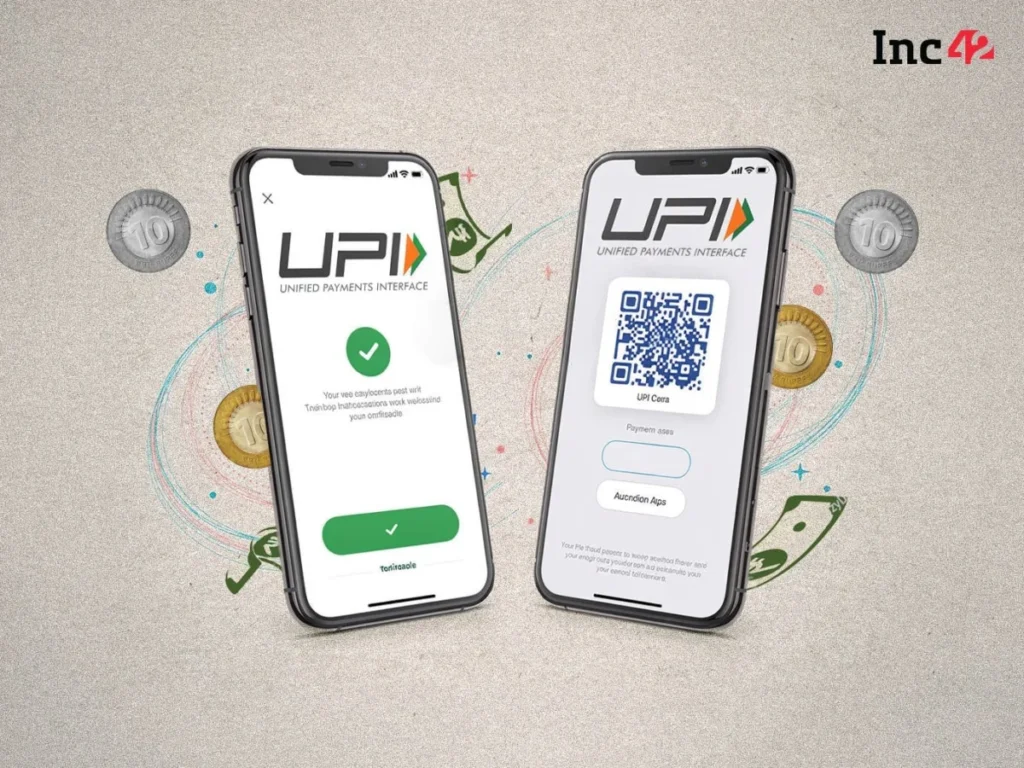
India’s Unified Payments Interface (UPI), the world’s most successful real-time payment system, witnessed a rare, albeit minor, cooling in transaction activity during the month of June. After months of record-breaking surges, the National Payments Corporation of India (NPCI) data reveals a slight contraction in both volume and value. However, analysts remain unfazed, pointing to a robust year-on-year trajectory and a broadening international footprint as indicators of the platform’s enduring systemic health.
The June Snapshot: A Statistical Overview
According to the latest data released by the NPCI, UPI transaction volume in June settled at 22.72 billion, marking a 2.1% decline from the 23.20 billion transactions recorded in May. Mirroring this trend, the total transaction value also experienced a contraction, sliding 3.3% to ₹28.92 lakh crore, down from the ₹29.90 lakh crore observed in the preceding month.
While these month-on-month (MoM) figures suggest a temporary deceleration, a more granular look at the daily averages paints a nuanced picture. The average daily transaction count actually rose by 1.2%, climbing to 75.7 crore in June from 74.8 crore in May. The average daily transaction value remained largely resilient, standing at ₹96,405 crore, nearly neck-and-neck with the ₹96,465 crore recorded in May. This discrepancy suggests that while the total monthly volume dipped, the intensity of usage among the active user base remained stable.
Year-on-Year Resilience: Sustaining Long-Term Momentum
To understand the current state of UPI, it is critical to view the monthly figures through the lens of long-term growth. When compared to the same period last year, the numbers are overwhelmingly positive. On a year-on-year (YoY) basis, the transaction count has surged by 23%, climbing from 18.4 billion in June 2023. Similarly, the total transaction value has jumped by 20% from ₹24.03 lakh crore during the same interval.
This double-digit growth confirms that despite short-term fluctuations—often attributed to seasonal spending patterns, billing cycles, or banking holidays—the UPI ecosystem continues to cement its position as the undisputed backbone of India’s digital economy. The platform has successfully transitioned from a niche urban tool to a universal financial utility, accessible to everyone from street vendors to high-net-worth individuals.
Market Dynamics: The Battle for Dominance
While the June app-wise market share data is pending release, the trends observed in May provide a compelling narrative regarding the competitive landscape. The duopoly of PhonePe and Google Pay, which has historically commanded the vast majority of the market, saw its collective grip slightly loosen.
In May, PhonePe processed 1,073.5 crore transactions valued at ₹14.67 lakh crore. Despite its massive scale, its market share dipped to 46.5%, down from 47.1% in April. Google Pay followed closely, witnessing a 3.1% increase in its monthly transaction volume to 759.8 crore. However, its market share also saw a slight contraction, dropping to 32.9% from 33.5% in April.
The most significant development is the encroachment of smaller players. The combined market share of challengers such as WhatsApp, MobiKwik, and Kiwi rose to 4.3% in May, up from 2.4% in April. This shift below the 80% combined market share threshold for the two industry giants suggests that the ecosystem is becoming more competitive and diversified, which is a positive indicator for long-term innovation and consumer choice.
Global Ambitions: UPI Goes International
The NPCI and the Indian government are not content with merely domestic success. They have embarked on an ambitious mission to export the UPI stack, positioning it as a global standard for real-time retail payments. This strategy is part of a larger geopolitical effort to promote India’s "Digital Public Infrastructure" (DPI) model to developing and developed nations alike.
The most recent milestone in this journey occurred last week, during Prime Minister Narendra Modi’s visit to the Seychelles. The two nations signed a Memorandum of Understanding (MoU) aimed at integrating UPI into the island nation’s payment architecture. This agreement is designed to facilitate the deployment of UPI digital payments infrastructure, streamlining cross-border transactions and identifying further avenues for collaboration between the two nations’ financial technology sectors.
This move follows a series of similar international successes. UPI is already operational in several key markets, including Singapore (via integration with PayNow), the UAE, France, and Mauritius. By enabling Indian tourists and the diaspora to pay using their familiar UPI interface, India is effectively reducing the friction of international travel and commerce, further enhancing the "soft power" associated with its digital financial prowess.
Implications for the Indian Fintech Ecosystem
The marginal decline in June should not be misinterpreted as a sign of saturation. Instead, it serves as a reality check for a sector that has grown at an exponential rate for several years. For fintech players, the data signals a shift from "volume at all costs" to a more sustainable phase of usage.
1. Shift Toward User Retention
With the market reaching a level of maturity where most smartphone-using Indians are already onboarded, the next phase of growth will be defined by retention and the introduction of advanced financial products. UPI is evolving beyond simple P2P (peer-to-peer) and P2M (peer-to-merchant) transfers. The integration of credit lines, "UPI Lite" for low-value payments, and recurring mandates for investments is expected to boost the average transaction value over the coming quarters.
2. The Rise of Alternative Players
The rise of secondary players indicates that consumers are increasingly willing to experiment with different platforms, likely incentivized by varied loyalty programs, UI/UX improvements, and integrated services like credit or micro-investing. For smaller players, the goal is to capture niche markets—such as credit-focused UPI users or merchant-specific solutions—to carve out a sustainable share of the pie.
3. Policy and Regulatory Focus
The government’s push for global adoption also signals that UPI is being viewed as a sovereign strategic asset. The NPCI’s role is shifting from a domestic utility provider to an international technology exporter. This transition will likely attract more regulatory scrutiny regarding data security and cross-border settlement, ensuring that as UPI scales globally, it adheres to the highest international standards of privacy and financial safety.
Future Outlook: A New Phase of Growth
Looking ahead to the second half of the year, several factors are expected to catalyze a recovery in transaction volumes. The upcoming festive season in India, which traditionally sees a massive spike in retail and e-commerce spending, is expected to provide a strong tailwind to UPI transaction counts. Furthermore, as the Reserve Bank of India (RBI) and NPCI continue to push for interoperability between different payment instruments (such as linking credit cards to UPI), the velocity of money on the platform is set to increase.
While the 2.1% dip in June is a statistical deviation, it does not represent a change in the fundamental trajectory of India’s digital transformation. The platform has successfully integrated itself into the daily life of over 300 million users. As the ecosystem matures, the focus will inevitably shift toward profitability, security, and the global standardization of the UPI protocol.
In conclusion, the UPI story remains one of the most successful digital transformation tales in history. Whether it is through the diversification of market players, the penetration into untapped rural segments, or the bold expansion into foreign markets, UPI is poised to remain the primary engine of India’s move toward a cashless society. The slight cooling in June is merely a momentary pause in a journey that shows no signs of losing its broader momentum.